
FREE GUIDE
Think Like a Skin Scientist
A free, science-first guide for estheticians, nurses & skin professionals who want to assess skin more confidently, evaluate skincare claims and make better product recommendations.
Inside you'll learn:
✓ Why most skincare advice starts with the wrong question
✓ The five things to assess before recommending products
✓ A science-first approach to understanding skin
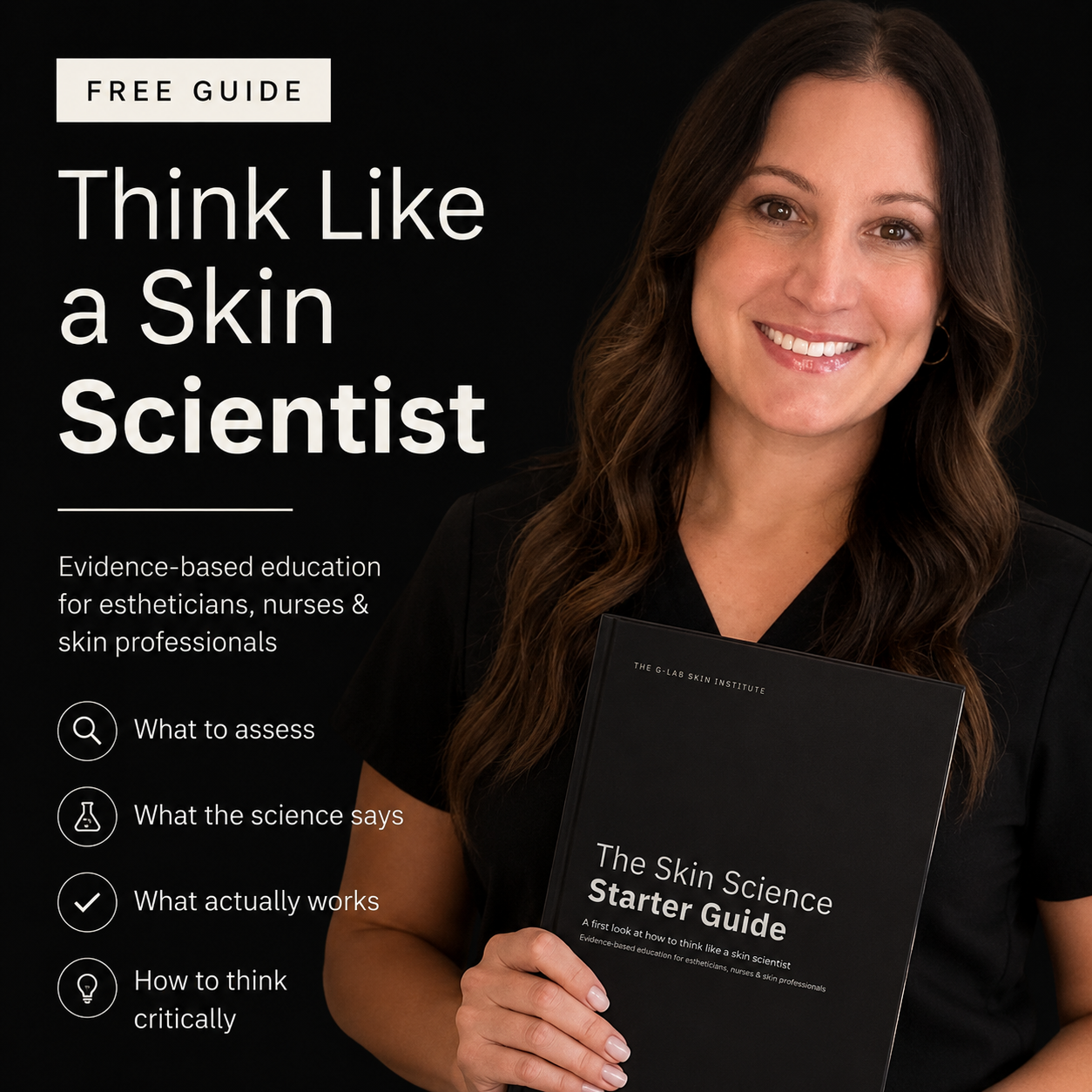
Inside the Free Guide
Why most skincare education is backwards
The 5-Factor Skin Assessment: the framework to run before recommending anything
How to think like a skin scientist instead of a salesperson
A preview of the full certification
What’s Covered
Decode the Skin — anatomy, barrier function, TEWL, NMF, sebum, microbiome, pH
Decode Skin Conditions — acne, rosacea, melasma, hyperpigmentation, sensitive and aging skin, barrier dysfunction
Decode Ingredients I & II — humectants, antioxidants, retinoids, acids, peptides, growth factors, the retinoid ladder approach
Decode Formulation Science — reading ingredient lists, concentration, stability, penetration
Decode Product Selection — medical-grade vs cosmetic claims, evidence over marketing
Decode Clinical Consultations — history taking, assessment, treatment planning, referral
Decode Evidence — reading research, levels of evidence, avoiding misinformation
Who it’s For
✔ Estheticians
✔ Registered Nurses
✔ Medical Aesthetics Professionals
✔ Nursing Students
✔ Esthetics Students
✔ Anyone passionate about evidence-based skincare
Why the G-Lab Skin Institute Exists
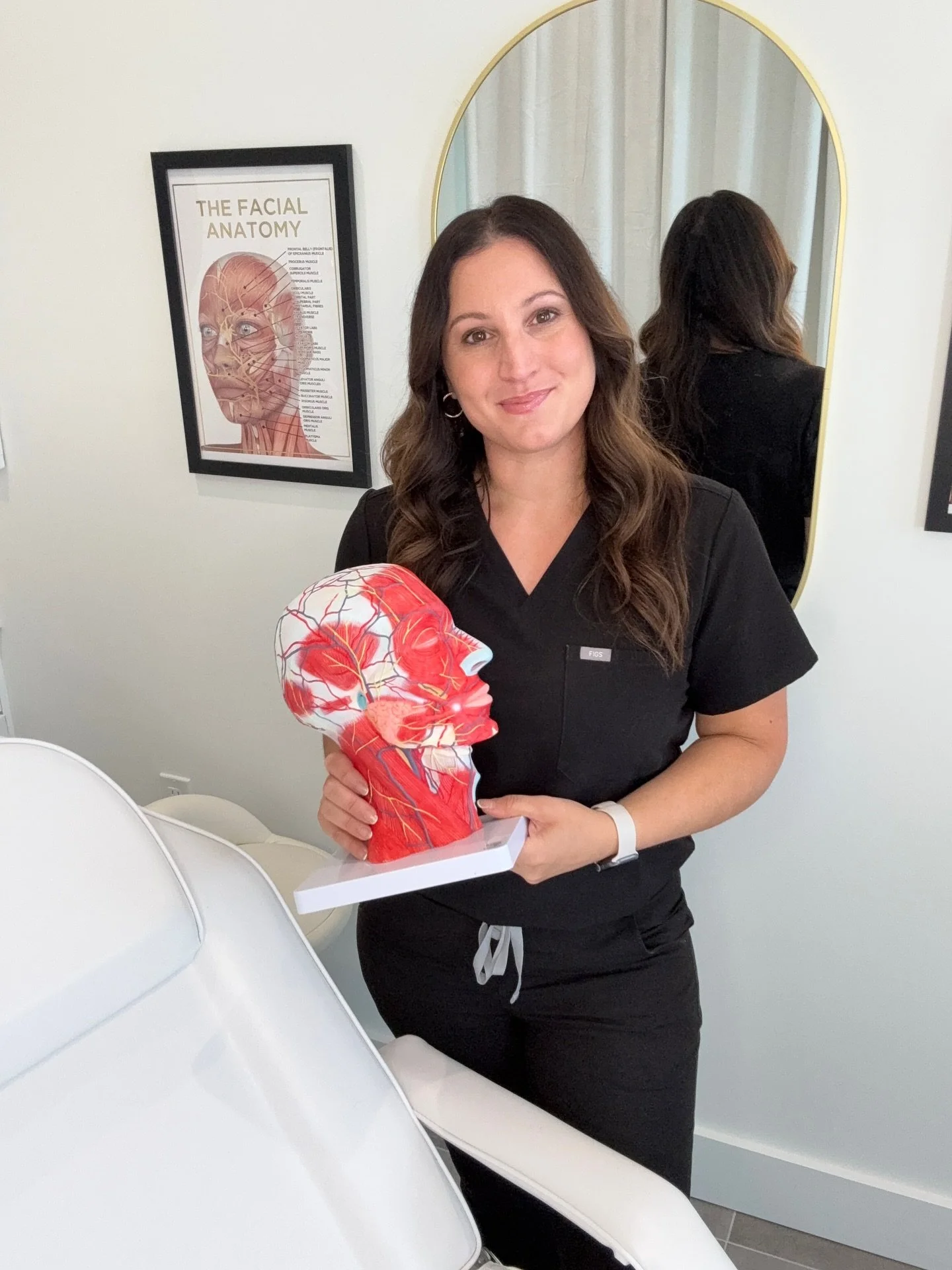
I knew I wanted to work in medical aesthetics long before I became a nurse. With a background in biology, I wanted to understand why skin behaves the way it does, not just which products to recommend.
I searched for a Canadian program that combined skin biology, ingredient science, and evidence-based practice—but I couldn't find one.
So I built my own education through biology, nursing, clinical practice, scientific literature, and continuing education.
That journey changed how I viewed skincare and eventually led to the creation of G-Lab Skincare.
Today, the G-Lab Skin Institute exists to help professionals think critically about skin, evaluate evidence, and make confident clinical decisions.